

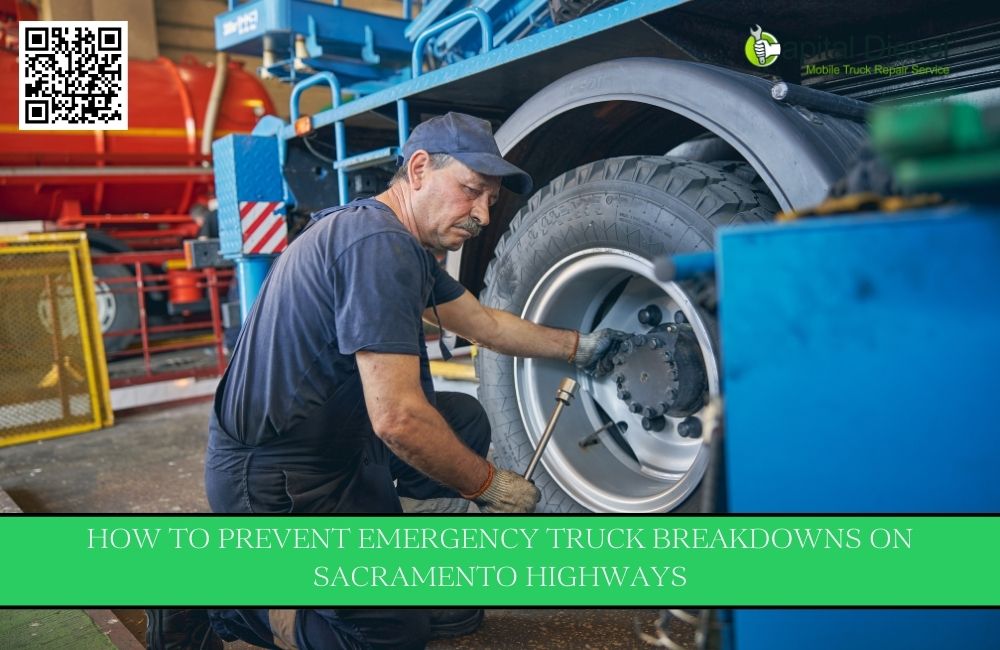
There’s nothing more stressful than losing power in the middle of I-5 traffic. Or feeling your truck repair while climbing a stretch of Highway 99. Emergency breakdowns on Sacramento highways aren’t just inconvenient they’re dangerous, disruptive, and costly in lost time.
But here’s the truth many drivers don’t realize:
Most emergency breakdowns don’t happen suddenly.
They build quietly. They give warnings. And in many cases, they are preventable.
So how do Sacramento truckers stay ahead of roadside failures? What warning signs matter most? And what smart habits separate proactive drivers from those stuck waiting for help on the shoulder?
Let’s break it down.
Why Sacramento Highways Are Tough on Trucks
Sacramento is a major transportation hub. Trucks constantly move between:
- I-5
- Highway 99
- Interstate 80
- Industrial corridors
- Agricultural routes
Long freeway miles combined with heavy loads, high summer temperatures, and stop-and-go traffic create serious stress on:
- Cooling systems
- Brake components
- Electrical systems
- Fuel delivery systems
Highway driving exposes small weaknesses quickly. That’s why preventive strategy matters more here than many drivers think.
Step 1: Don’t Ignore Early Warning Signs
Your truck almost always warns you before failing.
Common early indicators include:
- Slower engine starts
- Slight temperature increases
- Flickering dashboard lights
- Minor power loss under load
- Subtle vibrations at highway speed
Many drivers wait until the truck won’t start before searching for diesel mechanics near me. By then, what could have been simple truck repair becomes an emergency.
Early diagnostics prevent roadside shutdowns.
Step 2: Make Preventive Maintenance Non-Negotiable
Highway reliability starts long before you hit the freeway.
Consistent Fleet Maintenance should include:
- Brake system inspections
- Cooling system pressure checks
- Battery and charging system testing
- Electrical wiring inspections
- Fuel system evaluations
Skipping maintenance may save time today but it increases the risk of losing an entire workday tomorrow.
Preventive maintenance isn’t just about compliance. It’s about uptime.
Step 3: Address Electrical Issues Immediately
Electrical failures are one of the top causes of roadside breakdowns.
A weak alternator or failing battery might work fine — until you shut the engine off at a rest stop. Then suddenly, it won’t restart.
If you notice:
- Slow cranking
- Dim lights
- Random warning lights
Don’t wait.
Using mobile truck repair allows technicians to diagnose electrical issues at your location before they strand you on the highway.
Step 4: Monitor Your Cooling System Closely
Sacramento summers are no joke. Heat accelerates cooling system failures.
Watch for:
- Rising temperature gauges
- Coolant smell
- Small fluid leaks
- Overheating under load
Cooling issues escalate quickly at freeway speeds. What starts as a minor leak can turn into engine shutdown miles from help.
Proactive inspection prevents catastrophic damage.
Step 5: Don’t Gamble With Brake Performance
Brake issues are not “wait until next week” problems.
If you notice:
- Air pressure building slowly
- Softer brake response
- Unusual brake noises
Address it immediately.
Brake system failure on a Sacramento highway is not just inconvenient it’s dangerous.
On-site truck repair often resolves these issues without requiring transport to a shop.
Step 6: Have a Plan Before You Need One
One major mistake drivers make is scrambling during an emergency.
Searching frantically for diesel mechanics near me while stuck on the shoulder wastes valuable time.
Smart drivers:
- Keep emergency contacts saved
- Know who offers mobile truck repair
- Understand common symptoms
- Act quickly when warning signs appear
Preparation reduces panic and downtime.
Step 7: Use On-Site Repair When It Makes Sense
Not every mechanical issue requires towing.
Many highway breakdown causes including:
- Battery failures
- Starter problems
- Electrical faults
- Sensor malfunctions
can be addressed through mobile truck repair without leaving the roadside.
That’s faster. That’s safer. And that minimizes work disruption.
Even specialty diesel vehicles benefit. For service trucks or recreational units, Mobile RV Repair provides similar on-site support without transport delays.
The Cost of Waiting Too Long
Every mile driven with an unresolved issue increases the risk of emergency shutdown.
Emergency breakdowns lead to:
- Lost work hours
- Delayed deliveries
- Increased mechanical damage
- Safety exposure
Preventive action costs less time than roadside failure.
Questions Sacramento Drivers Should Ask Themselves
- Has my truck’s starting behavior changed recently?
- Are warning lights appearing intermittently?
- Have I postponed routine maintenance?
- Am I ignoring minor leaks or vibrations?
If the answer to any of these is “yes,” your truck may be closer to failure than you think.
Final Thoughts: Prevention Beats Recovery
Emergency breakdowns on Sacramento highways are rarely random.
They are often the result of ignored warning signs, delayed maintenance, or postponed repairs.
Smart drivers prevent emergencies by:
- Prioritizing Fleet Maintenance
- Addressing early symptoms
- Using efficient solutions like mobile truck repair
- Acting before problems escalate
Staying ahead of breakdowns isn’t about luck. It’s about awareness, preparation, and proactive decision-making.
Because when you’re hauling loads across Sacramento’s highways, reliability isn’t optional — it’s everything.
Capital Diesel Mobile Truck Repair
941 Vinci Ave, Sacramento, CA 95838
Phone: +1 (916) 949-4882