

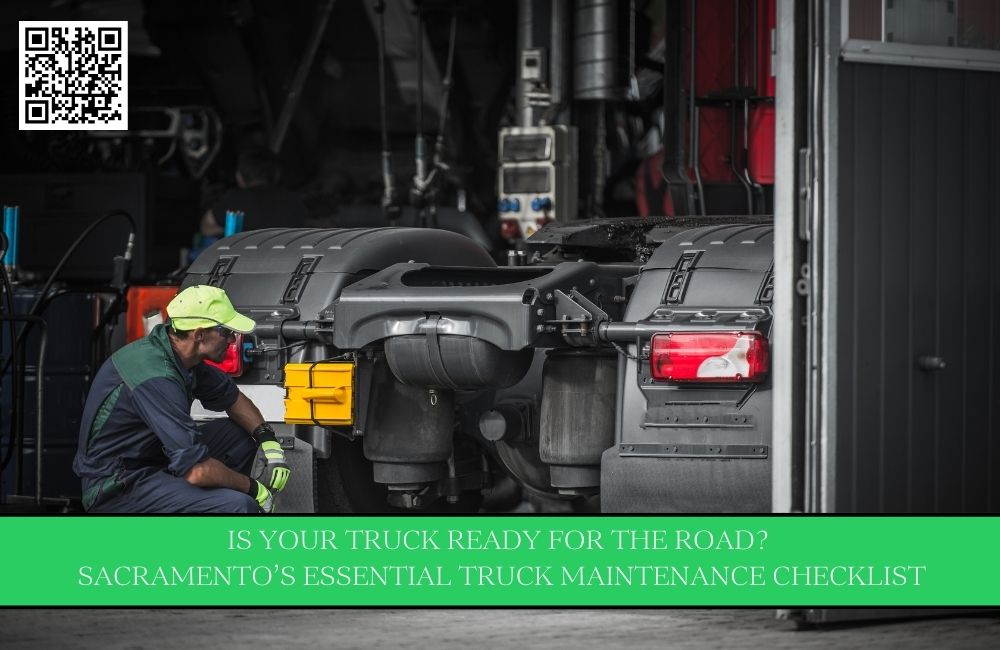
For Sacramento drivers and fleet owners, keeping trucks in top working condition is not only about meeting deadlines it’s about safety, reliability, and efficiency. Whether you’re driving long-haul routes, managing deliveries around the city, or overseeing a fleet of trucks, proper maintenance is key to ensuring your vehicles stay in great shape.
However, many truck owners overlook the importance of routine maintenance, leading to costly breakdowns, delays, and unnecessary repairs. In this blog, we’ll provide Sacramento drivers and fleet owners with a comprehensive truck repair checklist to keep your vehicle in top condition. By following these guidelines, you can avoid major issues and keep your trucks running smoothly.
Why Truck Maintenance Matters
Routine truck maintenance is critical to the longevity and performance of your vehicle. Small problems left unchecked can quickly escalate into major issues that require expensive repairs and downtime. Regular maintenance not only helps identify potential problems before they turn into costly breakdowns, but it also improves fuel efficiency, reduces emissions, and enhances overall safety.
When fleet maintenance is properly planned and executed, trucks can spend more time on the road, reducing the risk of costly delays and missed deadlines. For Sacramento drivers and fleet managers, having a reliable maintenance schedule is essential.
Essential Truck Maintenance Checklist for Sacramento Drivers
To keep your truck in optimal working condition, regular checks and services are essential. Here’s a comprehensive truck maintenance checklist that every Sacramento driver should follow:
1. Check Your Truck’s Fluids Regularly
Fluids play a major role in your truck’s performance. From engine oil to coolant, brake fluid, and transmission fluid, ensuring that your truck has the right levels of fluids is critical for its smooth operation.
- Engine Oil: Check the oil levels and replace the oil as needed. Dirty or low oil can cause the engine to overheat and wear out quickly.
- Brake Fluid: Low brake fluid can cause braking issues, which are dangerous. Ensure your brake fluid is at the proper level.
- Transmission Fluid: If your truck has a manual or automatic transmission, low or old transmission fluid can cause shifting issues and even transmission failure.
- Coolant: A well-functioning cooling system is essential to prevent engine overheating. Regularly check coolant levels and ensure the system is working properly.
2. Inspect Tires for Wear and Proper Inflation
Tires are your truck’s main contact with the road, and maintaining them is crucial for safe driving and performance. Tire maintenance helps improve fuel efficiency and reduces the likelihood of a blowout or flat tire during your travels.
- Tire Pressure: Under-inflated tires can reduce fuel efficiency and increase the risk of tire damage. Use a tire pressure gauge to check the PSI (pounds per square inch) regularly.
- Tread Depth: Check the tread on your tires to ensure they have enough grip. If the tread is worn down, it’s time to replace the tires.
- Alignment and Balancing: Misaligned or unbalanced tires can cause uneven wear and affect your truck’s handling. It’s important to have your alignment checked regularly to avoid unnecessary tire replacement.
3. Inspect the Brakes
Brakes are one of the most important safety features of your truck. Regular brake maintenance ensures that you have the stopping power you need, especially in emergency situations.
- Brake Pads: If you hear squeaking or grinding sounds when applying the brakes, it’s time to check the brake pads. Worn brake pads can lead to increased stopping distances and damage to the braking system.
- Brake Fluid: As mentioned earlier, low brake fluid is a sign that there may be a problem with your braking system. Top off the fluid or check for any leaks in the system.
4. Check the Battery and Electrical System
A dead battery is one of the most common reasons for a truck breakdown. To avoid the inconvenience of a dead battery, it’s important to regularly check the battery and its connections.
- Battery Terminals: Ensure that the battery terminals are clean and free from corrosion. Loose or corroded terminals can cause electrical issues.
- Battery Charge: A fully charged battery ensures that your truck starts reliably. If your truck is showing signs of trouble starting, it may be time to replace the battery.
- Electrical Systems: A malfunctioning alternator or other electrical components can leave you stranded on the side of the road. Have your electrical system checked regularly by a professional.
5. Keep the Air Filters Clean
A clogged air filter can reduce engine efficiency and fuel economy. Air filters prevent dirt and debris from entering the engine and should be checked periodically.
- Replace Air Filters: Air filters should be replaced every 12,000 to 15,000 miles or sooner if they appear dirty. A clean air filter ensures optimal air intake, which helps with engine performance.
- Inspect for Blockages: Ensure there are no leaves or debris blocking the air intake to maintain proper airflow.
6. Perform Regular Engine Diagnostics
Engine performance is at the core of any truck repair plan. A poorly running engine can affect everything from acceleration to fuel efficiency. Regular engine diagnostics help detect minor issues early on and can save you from costly repairs later.
- Engine Lights: If the “check engine” light comes on, don’t ignore it. Get a professional diagnosis to prevent the issue from worsening.
- Fuel System Checks: Ensure your fuel system is working efficiently. A clogged fuel filter or faulty fuel injectors can cause performance issues and higher fuel consumption.
7. Routine Suspension and Steering Checks
The suspension system ensures a smooth ride, while the steering system helps you maintain control of the truck. Both systems are essential for safety and comfort on the road.
- Shock Absorbers: Check for signs of wear and tear on shock absorbers and struts. If your truck bounces excessively or feels unstable while driving, it could be a suspension issue.
- Power Steering Fluid: Low steering fluid can make turning the wheel difficult. Check the power steering fluid level regularly and top it off as needed.
How Mobile Truck Repair Helps Sacramento Drivers
The great news for Sacramento drivers is that keeping your truck in top condition is easier than ever, thanks to mobile truck repair services. Mobile truck repair technicians can come directly to your location, whether you’re at a job site, in your yard, or on the road, providing fast and efficient truck repair and fleet maintenance services.
If you’re noticing any of the issues mentioned above, calling a mobile truck repair service can prevent further damage, saving you time and money. Diesel mechanics near me are equipped with all the tools and expertise needed to handle routine maintenance, repairs, and even emergency situations.
Final Thoughts: Stay Ahead of Problems with Routine Maintenance
Taking care of your truck with regular fleet maintenance ensures it stays in good working order, minimizing the risk of unexpected breakdowns. By staying proactive and using mobile truck repair for emergency repairs, Sacramento drivers can avoid downtime and costly repairs.
When in doubt, call a professional. Having access to mobile truck repair services provides peace of mind, knowing that diesel mechanics near me are just a call away to ensure your truck is ready for the road.
Contact Details
Capital Diesel Mobile Truck Repair
941 Vinci Ave, Sacramento, CA 95838
Phone: +1 (916) 949-4882