Truck Brake Fluid Change and System Flush in Sacramento
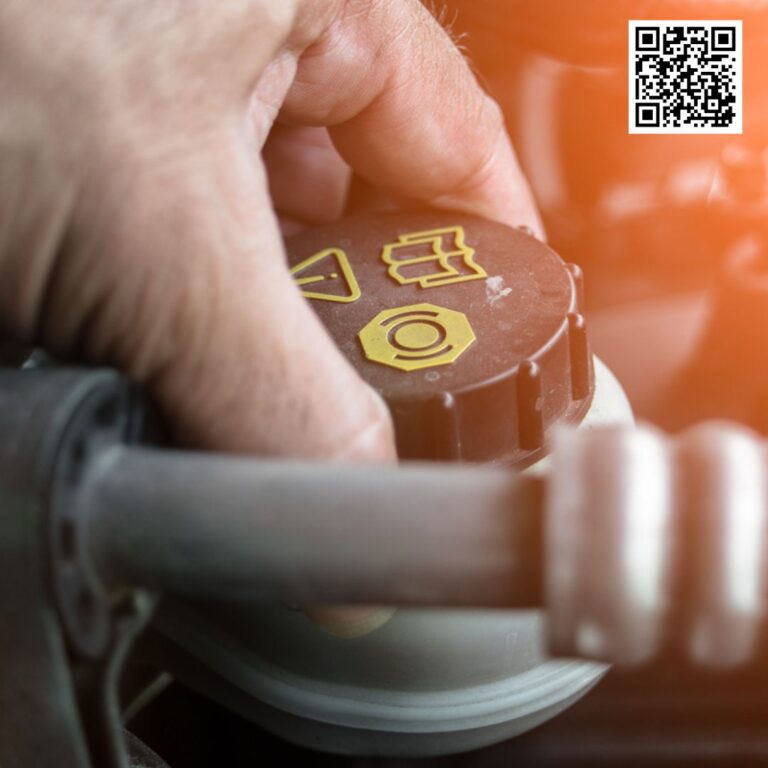
Hydraulic brake fluid is the working fluid that transmits braking force from the pedal to the calipers and wheel cylinders on medium-duty trucks, box trucks, delivery vehicles, and other commercial vehicles not equipped with air brake systems. Unlike air, brake fluid degrades over time. It is hygroscopic, meaning it absorbs moisture from the surrounding environment through the brake lines and reservoir. As moisture content increases, the fluid's boiling point drops. A fluid with elevated moisture content can boil under hard braking, creating vapor bubbles that compress instead of transmitting force and producing the sudden, dangerous pedal-to-the-floor feeling known as vapor lock. Capital Diesel provides mobile brake fluid change and hydraulic brake system flush service for medium-duty commercial trucks, box trucks, and hydraulically braked vehicles throughout Sacramento and the surrounding area within a 50-mile radius.
A complete brake system flush does more than replace old fluid with new. It pushes fresh fluid through the entire hydraulic circuit from the master cylinder through every brake line to each caliper or wheel cylinder, forcing out contaminated fluid along with any moisture, debris, or corrosion byproducts that have accumulated in the lines over time. We bleed each caliper and wheel cylinder in the correct sequence to ensure no air remains in the system after the flush, check master cylinder condition and reservoir cap seal integrity, inspect brake lines and fittings for corrosion or swelling that indicates internal deterioration, and verify pedal feel and firmness before the truck is returned to service.
Brake fluid service on commercial trucks is one of the most deferred maintenance items in the industry, typically because the brake pedal still feels acceptable until the moisture content reaches a level where performance degrades noticeably under demanding conditions. High-frequency stop-and-go delivery routes in Sacramento, loaded descents on Folsom Lake-area roads, and repeated heavy braking in warehouse and loading dock environments all stress the hydraulic brake system more than average driving and accelerate the timeline between safe fluid changes. Capital Diesel covers Sacramento and the surrounding area within a 50-mile radius, including West Sacramento, Elk Grove, Roseville, Rocklin, Folsom, Davis, Woodland, Citrus Heights, Rancho Cordova, and North Highlands.
To schedule a brake fluid change and system flush for your box truck, medium-duty delivery vehicle, or hydraulically braked commercial truck anywhere in the Sacramento area, call (916) 949-4882 Monday through Friday, 8am to 5pm. We come to your location, flush the full system, and verify pedal performance before leaving.
Why Sacramento Fleet Operators Choose Capital Diesel for Brake Fluid Service
Full System Flush, Not Just a Top-Off: Topping off a contaminated brake fluid reservoir adds clean fluid on top of degraded fluid without removing the moisture and corrosion byproducts already in the system. We perform a complete circuit flush that pushes fresh fluid through every line, caliper, and wheel cylinder from master to wheel end.
Correct Bleed Sequence Prevents Air Entrapment: Bleeding hydraulic brakes in the wrong sequence leaves air trapped in portions of the system, which produces a spongy pedal even after a flush. We follow the correct vehicle-specific bleed sequence and verify firm pedal feel at each stage before moving to the next caliper.
Brake Lines and Master Cylinder Inspected During Every Flush: We inspect brake line condition for external corrosion, swelling of rubber sections, and seeping fittings during the flush service. A brake line that is deteriorating internally often shows no external symptoms until it ruptures. We flag any lines that show concerning condition before they become a failure.
Service at Your Yard or Fleet Location: We bring the equipment to your location within 50 miles of Sacramento so your box trucks and delivery vehicles do not have to sit at a shop for half a day while a routine fluid service is performed. Most brake fluid changes are completed within one to two hours per vehicle at your facility.
Correct Fluid Specification for Your Vehicle: Different vehicles specify DOT 3, DOT 4, or DOT 5.1 hydraulic brake fluid, which are not interchangeable. We verify the correct specification for your specific vehicle before starting the flush and use the correct fluid grade throughout the service.
Fleet Brake Fluid Programs Available: We work with Sacramento-area fleet operators running box trucks, delivery vehicles, and medium-duty fleets to schedule brake fluid changes at recommended intervals across the full fleet, keeping every vehicle in the program current on hydraulic brake maintenance.
Frequently Asked Questions
Does this service apply to semi trucks with air brakes?
No. Class 8 semi trucks and most heavy-duty commercial vehicles use air brake systems that do not use hydraulic brake fluid. This brake fluid change and system flush service applies to medium-duty trucks, box trucks, delivery vehicles, and other commercial vehicles equipped with hydraulic brake systems. If you have questions about air brake service on a semi, our Air Brake System Maintenance and Repair page covers that service. Call (916) 949-4882 if you are unsure which brake system your vehicle uses.How often should hydraulic brake fluid be changed on a commercial box truck or delivery vehicle?
Most manufacturers recommend a hydraulic brake fluid change every two years or 30,000 miles, whichever comes first, for commercial vehicles. Trucks used on high-frequency stop-and-go routes, loaded delivery operations, or routes with significant grades may benefit from more frequent changes because repeated hard braking accelerates heat cycling of the fluid and moisture absorption. We assess the fluid condition during the service and advise on the appropriate interval for your specific operation.What does contaminated brake fluid look like and how do I know if mine needs changing?
Fresh brake fluid is typically clear to light amber in color. Contaminated fluid darkens to a brown or black color as it absorbs moisture, oxidizes, and picks up corrosion byproducts from the brake lines and components. A simple moisture content test during the service call can quantify how degraded the fluid is. Pedal feel alone is not a reliable indicator because fluid can be significantly contaminated before the driver notices a change in pedal response under normal driving conditions.What is vapor lock in a hydraulic brake system and how does it happen?
Vapor lock occurs when brake fluid with elevated moisture content reaches its boiling point during a hard braking event and converts to steam vapor inside the brake lines. Vapor compresses unlike liquid, so instead of transmitting pedal force to the calipers and wheel cylinders, it compresses in the line and produces a sudden loss of braking force, commonly experienced as the pedal going to the floor without stopping the truck. Fresh, dry fluid with a higher boiling point prevents this by maintaining fluid integrity under high-heat braking conditions.Can you service brake fluid on the trailer as well as the truck?
Trailer brake fluid service applies only to trailers equipped with hydraulic brake systems, which are less common on commercial trailers than air brake systems. Most semi trailers use air brakes. If your trailer is equipped with a hydraulic brake system, call (916) 949-4882 and we will confirm compatibility and include the trailer service in the same visit.How far will you travel for mobile brake fluid service in the Sacramento area?
Capital Diesel covers Sacramento and the surrounding area within a 50-mile radius, including West Sacramento, Elk Grove, Roseville, Rocklin, Folsom, Davis, Woodland, Citrus Heights, Rancho Cordova, and North Highlands. Call (916) 949-4882 to confirm we can reach your location and to verify the brake system type on your vehicle before we dispatch.