Truck Running Hot in Sacramento? Get Cooling System Repair Onsite
Sacramento's Central Valley summers are among the harshest operating environments for a commercial diesel engine in the country. Ambient temperatures above 100 degrees combined with heavy loads, long idle times in traffic, and high-speed freeway runs on I-5 and Highway 99 push cooling systems to their limits on every route. A diesel engine operating above its normal coolant temperature range for even a short period begins to experience thermal stress on cylinder head gaskets, liner seals, and turbocharger components. A radiator that is partially blocked, a water pump with a worn impeller, or a thermostat stuck in the closed position can allow coolant temperature to climb into the danger zone before the driver sees the gauge needle move noticeably. Capital Diesel provides mobile cooling system service and repair throughout Sacramento and the surrounding area within a 50-mile radius, diagnosing and repairing cooling system faults at your location before an overheating event turns into an engine rebuild.
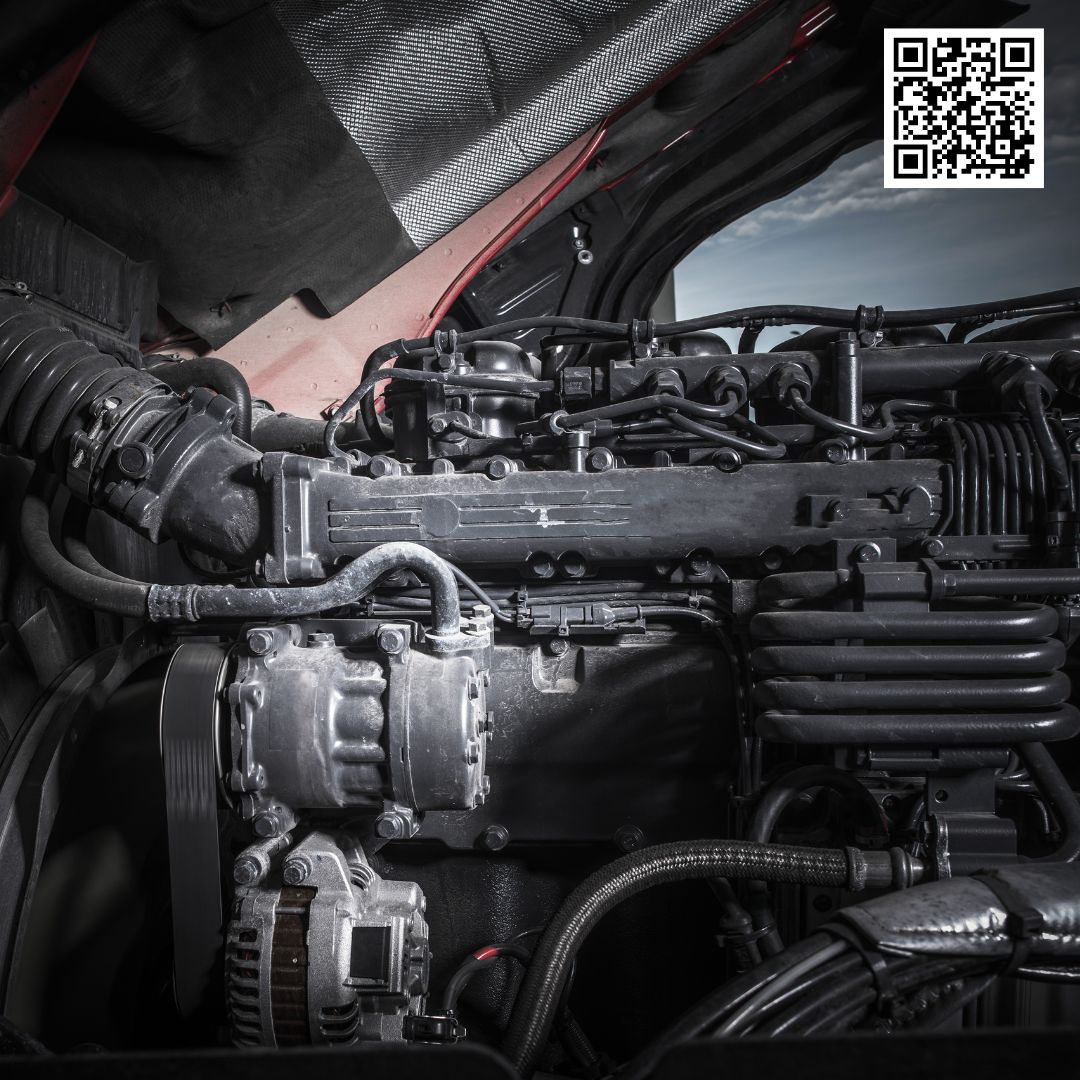
Our cooling system service covers the complete thermal management system on commercial diesel trucks. We handle radiator inspection, cleaning, and replacement, water pump inspection and replacement including belt-driven and gear-driven units, thermostat replacement and bypass hose inspection, upper and lower radiator hose inspection and replacement, coolant recovery tank inspection and cap pressure testing, deaeration tank inspection on closed coolant systems, fan clutch inspection and replacement including viscous and electronic fan clutch units, coolant condition testing for freeze point, pH level, and supplemental coolant additive concentration, and complete coolant flush and refill with the correct OAT, NOAT, or HOAT coolant for your specific engine platform. We also inspect for coolant contamination caused by a failing head gasket, cracked cylinder head, or oil cooler failure that allows oil and coolant to mix inside the engine.
A cooling system that is operating with degraded coolant is one of the most common and overlooked causes of premature water pump and thermostat failure on commercial diesel engines. Coolant that has depleted its corrosion inhibitors allows internal corrosion to attack the aluminum components in the cooling circuit, particularly the water pump impeller and the cooler cores in the EGR and oil cooling system. Catching coolant degradation early with a simple coolant condition test during a PM visit prevents a chain of component failures that costs far more than a coolant service. Capital Diesel covers Sacramento and the surrounding area within a 50-mile radius, including West Sacramento, Elk Grove, Roseville, Rocklin, Folsom, Davis, Woodland, Citrus Heights, Rancho Cordova, and North Highlands.
To schedule cooling system service or get a technician dispatched to your overheating truck anywhere in the Sacramento area, call (916) 949-4882 Monday through Friday, 8am to 5pm. We arrive onsite in 30 minutes or less and assess the full cooling system before recommending any repair.
Why Sacramento Truck Operators Choose Capital Diesel for Cooling System Service and Repair
Coolant Condition Tested, Not Just Topped Off: We test coolant freeze point, pH level, and supplemental coolant additive concentration during every cooling system service call. Topping off depleted coolant with fresh coolant without checking the condition of what is already in the system leaves degraded inhibitors in the circuit that continue to attack internal components.
Fan Clutch Inspection Included on Every Cooling System Call: A fan clutch that is not engaging properly allows the engine to run hot at low speeds and during idle even when the radiator and water pump are functioning correctly. We test fan clutch engagement and response during every cooling system service and replace failing units at your location.
Coolant Contamination Diagnosis Before Major Repairs Are Recommended: White exhaust smoke, coolant loss without visible external leaks, or oil in the coolant reservoir are signs of internal coolant contamination from a failing head gasket or cracked head. We assess contamination indicators before recommending a major repair so you are not replacing external components when the root cause is internal.
Correct Coolant Specification for Your Engine Platform: Modern commercial diesel engines specify OAT, NOAT, or HOAT coolant formulations that are not interchangeable without flushing the system completely. Using the wrong coolant type or mixing incompatible formulations degrades corrosion protection across the entire cooling circuit. We verify the correct specification for your engine before performing any coolant service.
Radiator, Water Pump, and Thermostat Repairs Done at Your Location: We carry common cooling system components including thermostats, upper and lower hoses, radiator caps, pressure caps, and water pump assemblies for common commercial truck platforms on our mobile units. Most cooling system repairs are completed at your location without a tow.
Sacramento Summer Heat Makes Cooling System Health a Priority: A cooling system that performs adequately during mild weather can fail quickly when Sacramento ambient temperatures exceed 100 degrees and the truck is running loaded at highway speed. We treat cooling system maintenance as a high-priority preventive item for Sacramento-area operators rather than something to address only after the gauge climbs.
Frequently Asked Questions
My truck's temperature gauge is climbing but not in the red yet. Should I stop or keep driving?
A coolant temperature gauge that is rising above its normal operating range is an early warning that should not be ignored in favor of reaching the next stop. The thermal damage to cylinder head gaskets, liner O-rings, and turbocharger components begins before the gauge reaches the red zone, particularly on high-mileage engines with any existing weakness in those components. Pull over safely, shut the engine down, and call (916) 949-4882 for a mobile cooling system diagnosis at your location before continuing.What are the most common causes of overheating on a commercial diesel truck?
The most frequent causes are a radiator that is blocked with debris or internally scaled to the point where heat transfer is compromised, a failed or failing water pump impeller that is no longer moving coolant volume effectively, a stuck-closed thermostat trapping coolant in the engine block, a fan clutch that is not engaging properly at low speeds or idle, a coolant hose that has collapsed internally restricting flow, and low coolant level from a leak somewhere in the system. We inspect all of these during the cooling system service call to identify the actual cause before recommending any repair.Can you perform a coolant flush and refill at my location in Sacramento?
Yes. We carry the correct coolant formulations for major commercial diesel engine platforms and perform complete coolant flush and refill services at your location. Before performing the flush we test the existing coolant condition, identify the correct replacement specification for your engine, and inspect the cooling system components for issues that should be addressed at the same time as the fluid service.How do I know if my truck's head gasket is failing versus an external coolant leak?
External coolant leaks leave visible staining on hoses, fittings, the radiator, and the water pump area and often produce a sweet smell from the engine bay. A failing head gasket typically shows as white or grey steam from the exhaust under load, coolant level that drops without any visible external leak, bubbling in the coolant reservoir when the engine is running, or oil contamination visible in the coolant recovery tank. Our technician will check for all of these indicators during the cooling system inspection and advise on whether the issue is external or internal.How often should commercial truck coolant be flushed and replaced?
Most major diesel engine manufacturers recommend a coolant service interval of 300,000 miles or 6 years for extended-life coolants, with a supplemental coolant additive check every 150,000 miles or 3 years. However, these intervals assume the correct coolant type was used and has not been contaminated. Trucks that have had coolant mixed with incompatible types, or where coolant condition testing shows depleted inhibitors, should be flushed and refilled regardless of the mileage interval. We test condition first and recommend the service interval based on actual fluid condition rather than a generic mileage target.How far will you travel for mobile cooling system repair in the Sacramento area?
Capital Diesel covers Sacramento and the surrounding area within a 50-mile radius, including West Sacramento, Elk Grove, Roseville, Rocklin, Folsom, Davis, Woodland, Citrus Heights, Rancho Cordova, and North Highlands. Call (916) 949-4882 to confirm we can reach your location and to describe the symptoms so the technician arrives with the right components for your specific engine platform.